

How Mohs Surgery Treats Skin Cancer
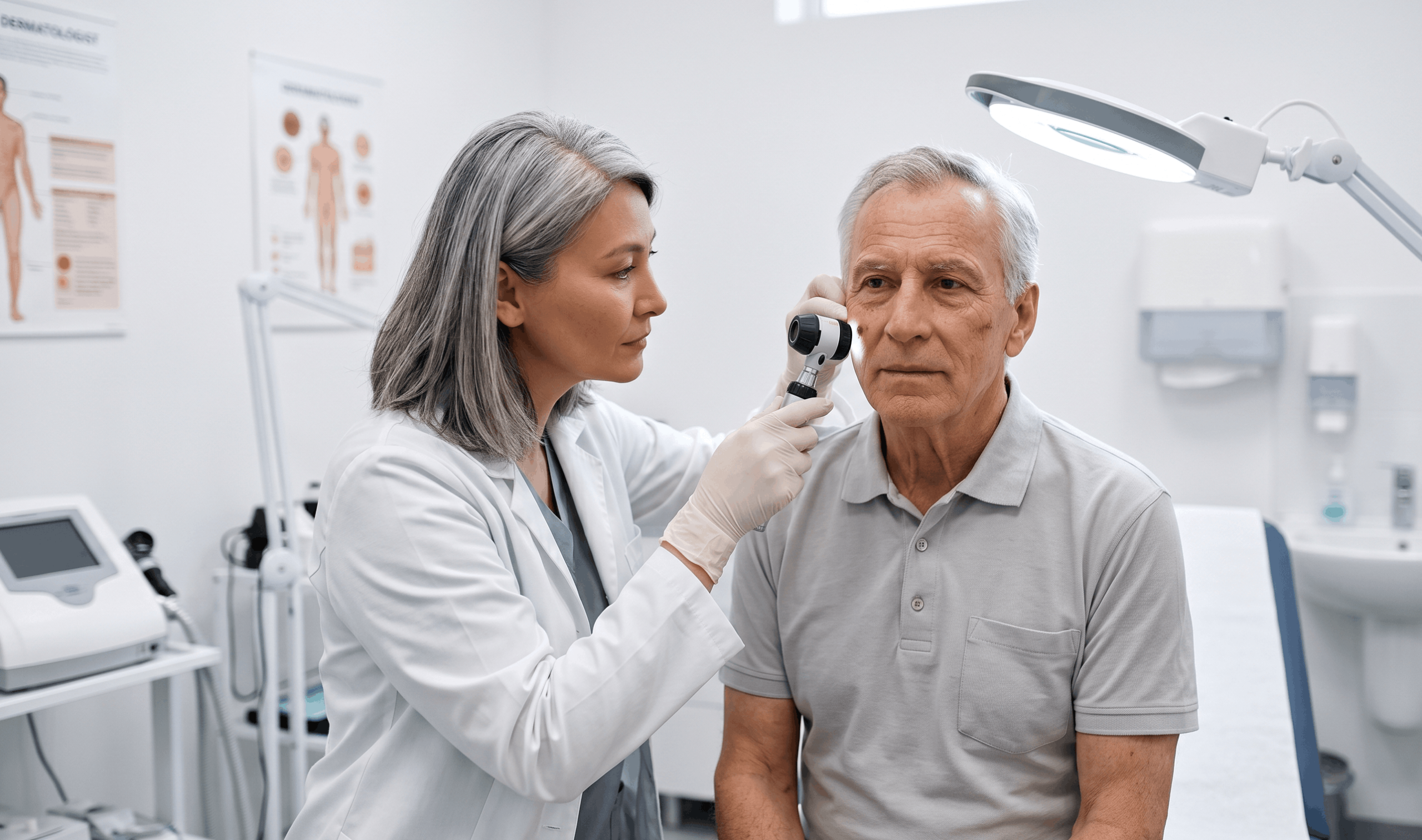
Facing a skin cancer diagnosis can be overwhelming and raise a lot of questions, particularly about treatment. Depending on your specific diagnosis, you may be a candidate for Mohs surgery. This is a highly specialized dermatologic surgery that removes skin cancer layer by layer while preserving as much healthy tissue as possible.
So, “What is Mohs surgery?” If you’re curious about how it works and whether it might be the right treatment for you, this guide is for you. Let’s take a look at the procedure, benefits, recovery, and when to see a dermatologist for an evaluation.
Mohs Surgery at a Glance
Mohs surgery is a specialized skin cancer removal technique that treats certain skin cancers with exceptional precision.
Key points about Mohs surgery:
- Removes skin cancer one thin layer at a time
- Each layer is examined immediately under a microscope
- The procedure continues until no cancer cells remain
- Preserves as much healthy skin as possible
- Commonly used for basal cell and squamous cell carcinomas
What Types of Skin Cancer Does Mohs Surgery Treat?
Mohs surgery has transformed skin cancer removal by offering an incredibly precise way to target cancer while sparing healthy skin. It is most commonly used for:
- Basal cell carcinoma
- Squamous cell carcinoma
- Certain recurrent or high‑risk skin cancers
- Skin cancers in cosmetically or functionally sensitive areas
Basal cell carcinoma (BCC) accounts for the majority of skin cancers and often appears as a pearly bump or pink patch on sun‑exposed areas. Mohs surgery is frequently recommended for basal cell carcinoma treatment, with reported cure rates up to around 99% for many primary tumors and very high success rates even for recurrent lesions.
Squamous cell carcinoma (SCC), the second most common skin cancer, may look like a firm red nodule or a rough, scaly patch. Mohs surgery is particularly effective as squamous cell carcinoma treatment when cancers are large, aggressive, or located in high‑risk areas.
Mohs surgery for skin cancer is especially valuable for tumors located on areas where tissue preservation is critical, such as:
- Face and nose
- Ears and lips
- Eyelids
- Hands and fingers
- Feet and genital area
These locations require maximal conservation of healthy skin for both appearance and function, making Mohs surgery an ideal option for many patients.
How Does Mohs Surgery Work?
Understanding how Mohs surgery works can help reduce anxiety and prepare you for what to expect. Mohs surgery is usually performed as an outpatient skin cancer surgery under local anesthesia, combining precise surgical removal with immediate microscopic examination of the tissue.
Step 1: Local Anesthesia
The treatment area is numbed with local anesthesia so you remain awake but comfortable throughout the procedure. Using local rather than general anesthesia reduces recovery time and minimizes side effects.
Step 2: Removal of the First Layer
The surgeon removes the visible tumor along with a very thin layer of surrounding tissue using careful surgical technique. This initial skin cancer excision typically takes only a short time.
Step 3: Microscopic Examination
The removed tissue is processed in an on‑site laboratory. Technicians prepare thin sections, and the Mohs surgeon examines 100% of the surgical margins under a microscope to look for any remaining cancer cells.
Step 4: Additional Layers Removed if Needed
If cancer cells are found at the edges, the surgeon marks their exact location on a detailed map of the surgical site and returns to remove another thin layer, but only from the precise areas where cancer remains. This targeted, layer‑by‑layer approach preserves healthy tissue while fully tracking the cancer’s microscopic extensions.
Step 5: Wound Repair
Once all margins are clear and no cancer cells remain, the surgeon repairs the wound. Depending on the size and location, options may include allowing the area to heal on its own, closing it with stitches, or using a skin flap or graft to optimize function and cosmetic outcome.
Because Mohs surgery treatment follows cancer cells beyond what is visible on the surface, it is especially effective for tumors that grow with “roots” or finger‑like projections into surrounding tissue.
Why Mohs Surgery Is Highly Effective
Mohs surgery is considered one of the most effective treatments for many non‑melanoma skin cancers. Several advantages set it apart from traditional excision and other treatment methods:
- Exceptional cure rates: For many primary basal cell and squamous cell carcinomas, Mohs surgery offers very high success rates even for recurrent tumors.
- Minimal healthy tissue removal: Because surgeons remove only tissue where cancer is confirmed, Mohs surgery preserves more normal skin than wider excisions.
- Lower recurrence risk: Examining all margins under the microscope during the procedure greatly reduces the risk of leaving cancer cells behind.
- Immediate laboratory analysis: Pathology is built into the procedure, so you know before you leave the office that the cancer has been completely removed.
- Ideal for high‑risk areas: Mohs surgery is often recommended for high‑risk or cosmetically sensitive sites where both function and appearance must be preserved.
By combining surgery and pathology in a single visit, Mohs surgery provides a precise, highly effective option for certain skin cancers.
What to Expect During Mohs Surgery
Mohs surgery is typically performed in a dermatologist’s office or outpatient surgical suite, and most patients go home the same day.
Here is what a typical day might look like:
- Check‑in and preparation: After you arrive, the team reviews your medical history, examines the area, and marks the treatment site.
- Local numbing: The surgeon injects local anesthesia around the skin cancer so the area becomes completely numb. You’ll be awake but should not feel pain in the treated skin.
- First stage of surgery: The visible tumor and a thin layer of surrounding tissue are removed.
- Waiting between stages: While the tissue is processed and examined (often 30–60 minutes per stage), you wait comfortably in a separate area. Many patients bring a book, phone, or tablet to pass the time.
- Additional stages if needed: If cancer cells remain, you return to the procedure room for removal of another thin layer from the specific area where cancer persists. This cycle repeats until all margins are clear.
- Reconstruction and dressing: Once the cancer is fully removed, the surgeon repairs the wound and places a dressing. You’ll receive detailed wound care instructions before going home.
Because of the careful lab work at each stage, Mohs surgery can take several hours, but most patients complete the process in a single visit.
Recovery After Mohs Surgery
Recovery after Mohs surgery is usually straightforward, but it does vary depending on the size and location of the wound and the type of repair performed.
In general, you can expect:
- Mild discomfort: Most patients experience mild soreness or tenderness that can be managed with over‑the‑counter pain relievers, as directed by their surgeon.
- Swelling and bruising: These are common in the first few days, especially on the face, but typically improve over 1–2 weeks.
- Sutures and dressings: Stitches may remain in place for about 1–2 weeks, depending on the site. Dressings should be changed as instructed to keep the area clean and protected.
- Activity modifications: You may be advised to avoid heavy lifting, strenuous exercise, or activities that could stretch the wound until healing has progressed.
- Long‑term healing: Final scar appearance can take several months to mature. Following wound care instructions closely helps promote optimal healing and minimize scarring.
Your dermatologist will also discuss long‑term skin cancer surveillance and sun protection to help reduce the risk of developing new skin cancers.
When to See a Dermatologist for Skin Cancer
Early detection is one of the most important factors in successful skin cancer treatment. You should schedule an evaluation with a dermatologist if you notice:
- A new or changing mole, bump, or spot
- A sore that does not heal or repeatedly crusts or bleeds
- A rough, scaly patch that persists
- A growth that changes in size, color, or shape
If you have a history of skin cancer, significant sun exposure, fair skin, or a weakened immune system, regular skin checks are especially important. Prompt evaluation allows your dermatologist to diagnose concerning lesions early and discuss whether Mohs surgery or another treatment is the best approach for your situation.
Have more questions or ready to schedule an appointment? Book an appointment with Suncoast Skin Solutions today.
Frequently Asked Questions
What is Mohs surgery used for?
Mohs surgery is used to treat certain types of skin cancer, particularly basal cell carcinoma and squamous cell carcinoma, as well as some recurrent or high‑risk tumors. It removes cancerous tissue layer by layer while preserving as much healthy skin as possible.
Is Mohs surgery painful?
Mohs surgery is performed under local anesthesia, so most patients do not feel pain during the procedure. Mild soreness or discomfort afterward is common but usually manageable with simple pain medication.
How long does Mohs surgery take?
The procedure can take several hours because each tissue layer must be processed and examined under a microscope before deciding whether additional tissue removal is needed. Many patients complete treatment in 2–4 hours, though complex cases may take longer.