

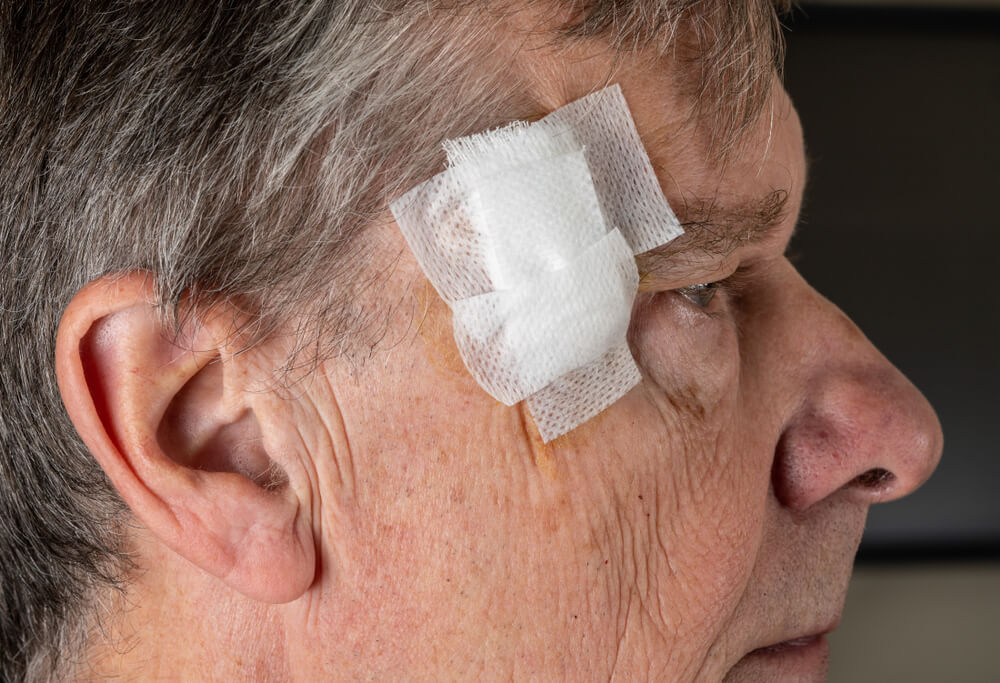
After Mohs surgery, it’s natural to wonder what Mohs surgery recovery looks like. At Suncoast Skin Solutions, we know recovery looks a little different for every patient. While Mohs surgery offers one of the highest cure rates for common skin cancers, including basal cell carcinoma and squamous cell carcinoma, understanding the healing process can help you feel more prepared.
Once the cancer is removed, we determine the best way to close the wound. Depending on the size and location, that may involve stitches, a skin flap, a skin graft, or, in some cases, a skin substitute that supports natural healing.
The Mohs Surgery Recovery Process
Healing after Mohs surgery on the face and other body parts happens in stages.
First Few Days
The first few days are when swelling, redness, and tenderness are most noticeable. These changes are a normal part of healing. We’ll provide detailed instructions on how to clean the area, change your bandage, and protect the wound. Following those directions carefully gives your skin the best chance to heal well.
One to Two Weeks
During the first one to two weeks, the wound begins to close, and new tissue develops. If we use stitches, we typically remove them within seven to fourteen days, depending on the surgical site and how you’re healing. You may also notice light scabbing as your skin continues to repair itself. This is when Mohs surgery stitches, healing day by day, become easier to see, with gradual improvement throughout the week.
Following Weeks and Months
Over the following weeks and months, healing continues beneath the surface. While the wound often closes within two to four weeks, the scar continues to soften and fade over the next six to twelve months or longer. Scar remodeling takes time, so steady improvement is expected even after the skin has closed.
Your recovery timeline also depends on how we repair the wound. Simple stitches, skin flaps, skin grafts, and second-intention healing, where the wound heals naturally without stitches, each have different healing patterns. Before you leave, we’ll explain the approach we’ve chosen and what you can expect during recovery.
How Healing Differs by Area (Face, Nose, Scalp, and More)
The location of your Mohs surgery plays an important role in your recovery. Different areas of the body have unique characteristics that affect healing, reconstruction options, and scar appearance. Blood supply, skin thickness, and tissue movement all factor into how we approach wound repair.
- Face and nose: The face generally has strong blood flow, which can support the healing process. Healing after Mohs surgery on the face and nose often requires precise techniques to maintain the shape and appearance of this important facial feature.
- Scalp and ears: Mohs surgery on the scalp and ears may require specialized repair methods based on the amount of tissue removed and the location of the wound. The thickness of the scalp and the cartilage structure of the ear help guide the best reconstruction approach.
- Around the eyes and lips: These areas require careful attention because they affect both appearance and everyday functions like blinking, smiling, and speaking. Mohs surgery near the eye and on the lips requires precision to protect movement, sensation, and the natural appearance of these features.
- Lower legs: Wounds on the lower legs may take longer to heal because circulation can be more limited and the skin has less flexibility. In some cases, we may recommend additional options, such as skin substitutes, to support healing in these areas.
Every patient and every wound is different. We evaluate your specific situation and recommend the approach that best supports healing, function, and your overall goals.
What Are Skin Substitutes?
A skin substitute is a biologic or synthetic material designed to protect a wound and support the body’s natural healing process. It provides a temporary framework that helps encourage new tissue growth while the skin repairs itself.
Unlike a traditional skin graft, which requires taking skin from another area of your body, a skin substitute may eliminate the need for a separate donor site.
There are several types of skin substitutes available, including biologic materials, synthetic options, and combination products. You may hear names such as “Integra skin substitute” or “Kerecis skin substitute” discussed during treatment. The right option depends on factors like the size, depth, and location of your wound.
How Skin Substitutes Help Healing After Mohs Surgery
In the right situations, skin substitutes can be a valuable option after Mohs surgery. They help protect the wound while supporting new tissue formation.
By creating a protective covering over the surgical site, skin substitutes can help maintain an environment that supports healing. For certain wounds, they may reduce the need for an additional donor-site procedure and make recovery more comfortable.
Skin substitutes can be especially helpful for larger wounds, areas with thinner skin, or locations where healing tends to take longer, such as the lower legs. They may provide additional support when traditional closure methods are not the best fit.
Every wound is unique, and results vary from patient to patient. We carefully consider factors such as wound size, location, and your overall health before recommending a skin substitute.
Is a Skin Substitute Right for You?
A skin substitute is one option we may consider when planning wound care after Mohs surgery. Whether it is the right choice depends on several factors, including the size and depth of the wound, its location, your overall health, and your healing goals.
Many Mohs surgery wounds heal well with traditional closure methods. A skin substitute is an additional tool that we can use when it may provide added support during recovery. Our surgeons evaluate each wound carefully and recommend the approach that best fits your specific needs.
If you are curious about whether a skin substitute may be an option for you, talk with your Mohs surgeon. We can explain your choices, discuss the expected healing process, and answer any questions you may have before moving forward with treatment.
How to Support Healing and Care for Your Wound
Whether your wound was closed with stitches, a graft, a flap, or a skin substitute, following your aftercare instructions can help support a healthy recovery.
- Wound Care for Mohs Procedure in Florida: Follow your wound-care instructions closely: We provide specific directions based on your procedure and the location of your wound. If you have questions or are unsure about any part of your care routine, contact our team. We are always here to help.
- Keep the area clean and cared for as directed: Avoid picking at scabs or crusting, even if you notice changes as the wound heals. Removing healing tissue too early can slow recovery and affect the final appearance of your scar.
- Protect the area from the sun: Sun exposure can cause scars to darken and may affect how they look over time. Use sunscreen, wear protective clothing, or cover the area as recommended by your care team.
- Support your body’s healing process: Avoid smoking, stay hydrated, and focus on a balanced diet with the nutrients your body needs for tissue repair. Healthy habits can make a difference during recovery.
- Know when to call your care team: Contact us if you notice signs of infection, including increasing redness, swelling, drainage, worsening pain, or fever. Addressing concerns early helps prevent complications.
Mohs Surgery and Reconstruction at Suncoast Skin Solutions
At Suncoast Skin Solutions, we provide advanced surgical dermatology services focused on diagnosing and treating skin cancer with skill and precision. Our team performs Mohs surgery, excisions, and reconstructive procedures while providing attentive, personalized care throughout treatment.
We offer skin cancer removal, wound repair, and follow-up care at locations throughout Florida. Keeping your care with one experienced team allows us to understand your treatment plan, monitor your progress, and provide support throughout recovery.
When a skin substitute is appropriate, our surgical team has experience using these materials to support wound healing and reconstruction. We always base our recommendations on your individual wound, healing needs, and overall goals.
If you are ready to schedule a consultation or skin cancer screening, we’re here to answer your questions.
Frequently Asked Questions
How long does it take to heal after Mohs surgery?
Healing time varies depending on the size and location of the wound, as well as the type of repair performed. Many patients see the surface of the skin heal within one to two weeks. Larger or more complex wounds may take longer. The scar continues to soften, fade, and change over the following six to twelve months or longer.
Will I have a scar after Mohs surgery?
Some degree of scarring is expected after any skin surgery. Mohs surgery is designed to remove cancerous tissue while preserving as much healthy skin as possible. Careful reconstruction and proper wound care can help support the best possible cosmetic outcome. Scars often continue improving for many months after surgery.
How can I speed up healing after Mohs surgery?
The best way to support healing is to follow your wound-care instructions, protect the area from the sun, avoid smoking, and maintain healthy habits, including proper hydration and nutrition. Contact your care team if you notice signs of infection, such as increasing redness, swelling, drainage, or worsening discomfort.
Are skin substitutes covered by insurance?
Insurance coverage for Mohs surgery and skin substitutes varies by plan and medical necessity. Our team can help you understand your benefits and answer questions about your coverage options.
Does every Mohs wound need a skin substitute?
No. Many Mohs surgery wounds heal successfully with standard closure methods. A skin substitute is one option we may recommend for certain wounds based on factors such as size, location, and healing needs.